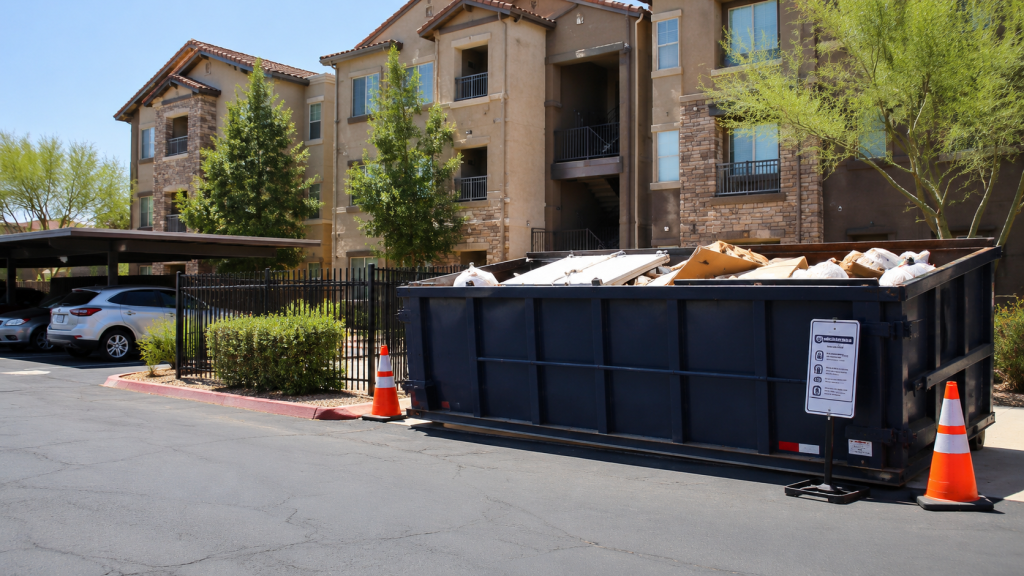
Managing an apartment complex means dealing with waste from many directions at once. Residents move in and out, maintenance teams complete repairs, landscaping crews trim trees and shrubs, contractors handle renovations, and property staff work hard to keep common areas clean.
Why Apartment Dumpster Rental Needs a Clear Plan
Apartment complex waste is different from single-home cleanup. One household may create a few bags of trash, but an apartment community can generate furniture, mattresses, boxes, yard debris, renovation materials, tenant-left junk, broken appliances, and daily waste all at the same time.
Because of that, Dumpster Rental in Phoenix can be essential for property managers, landlords, maintenance teams, real estate investors, and apartment owners who want cleaner, safer, and more organized communities.
However, apartment dumpster rental should not be handled casually. Poor placement, unclear resident rules, overflowing containers, blocked access, and improper loading can lead to complaints, safety hazards, pest problems, extra fees, and delayed pickups.
A good dumpster rental plan helps prevent those issues. It keeps debris contained, supports faster tenant turnovers, helps maintenance crews work efficiently, and improves the overall appearance of the property.
Additionally, some apartment cleanups may require Junk Removal instead of standard dumpster rental. If residents leave behind mattresses, couches, appliances, office furniture, or bulky items, a crew-assisted junk removal service can save time and reduce strain on your staff.
This guide explains the best practices for apartment complex dumpster rental in Phoenix, including planning, placement, resident communication, turnover cleanup, maintenance projects, prohibited items, and how Junk Gone AZ helps apartment communities throughout Phoenix, Scottsdale, Paradise Valley, and North Scottsdale.
Understanding the Search Intent Behind This Topic
People searching for apartment complex dumpster rental are usually trying to solve a real property management problem. They may be dealing with overflowing trash areas, tenant move-out debris, bulky furniture, renovation waste, landscaping debris, or recurring cleanup needs.
In many cases, the searcher is not just looking for a dumpster. Instead, they want a reliable waste removal system that helps the property run smoothly.
Common questions include:
- What size dumpster does an apartment complex need?
- How often should pickups happen?
- Where should dumpsters be placed?
- How do we stop residents from overloading dumpsters?
- What should property managers do with abandoned furniture?
- Can a dumpster help during tenant turnovers?
- Should we use dumpster rental or junk removal?
- What items should not go in the dumpster?
- How can we keep trash areas cleaner?
- How do we avoid complaints from residents?
Therefore, this topic is really about operational control. Apartment waste management affects resident satisfaction, property appearance, safety, maintenance efficiency, and leasing appeal.
Because of that, the best answer focuses on practical best practices instead of generic waste removal advice.
Why Apartment Complexes Need Better Waste Systems
Apartment communities produce steady waste, but they also have sudden spikes. Move-outs, remodels, storms, landscaping projects, and seasonal cleanups can quickly overwhelm standard trash areas.
Resident Turnover Creates Large Debris
Tenant move-outs are one of the biggest reasons apartment complexes need extra dumpster support. Even responsible residents may leave behind boxes, broken furniture, old rugs, small appliances, patio items, and bags of trash.
However, more difficult move-outs can include mattresses, couches, dressers, electronics, damaged shelving, and piles of unwanted belongings.
If these items sit near the trash area, they can make the whole property look neglected. As a result, future residents may question how well the complex is managed.
Maintenance Projects Add Construction Waste
Apartment maintenance crews often handle flooring repairs, cabinet replacements, drywall patches, fixture upgrades, plumbing work, and appliance changes.
Although each job may seem small, debris can add up across multiple units. Therefore, a dedicated dumpster can help keep repair materials contained.
This is especially useful during unit refreshes, property upgrades, and larger renovation phases.
Landscaping and Storm Cleanup Create Outdoor Debris
Phoenix apartment communities often have trees, shrubs, desert landscaping, palm fronds, gravel, planters, and outdoor common areas. During seasonal trimming or storm cleanup, yard debris can pile up quickly.
Because outdoor debris affects curb appeal, fast removal matters. A dumpster helps crews clean efficiently and prevents piles from sitting near parking lots, walkways, or leasing offices.
Bulky Items Cause the Biggest Problems
Mattresses, couches, chairs, tables, cabinets, and appliances can block dumpster enclosures or overflow areas. Regular waste service may not handle these items properly.
In many cases, junk removal is better for bulky abandoned items. A crew can lift and haul them away without tying up maintenance staff.
Dumpster Rental vs. Junk Removal for Apartment Complexes
Apartment communities often need both dumpster rental and junk removal. However, each service solves a different problem.
When Dumpster Rental Is the Better Choice
Dumpster rental works well when the property needs a container for ongoing debris or larger cleanup projects.
Choose dumpster rental when:
- Multiple units are being cleaned out
- Renovation debris is expected
- Maintenance teams need disposal support
- Landscaping debris will build up
- Tenant turnover is happening over several days
- You need a central disposal location
- Staff can load approved materials safely
- The property needs temporary extra capacity
Because the dumpster stays on-site, crews can load debris as work continues.
When Junk Removal Is the Better Choice
Junk removal is better when the property needs labor. If items are too large, heavy, or awkward for staff to move safely, a crew-assisted service may be more efficient.
Choose junk removal when you need to remove:
- Mattresses
- Sofas
- Recliners
- Dressers
- Appliances
- Patio furniture
- Office furniture
- Large shelving
- Abandoned tenant items
- Bulky trash room overflow
Instead of asking maintenance staff to wrestle heavy items into a dumpster, junk removal can clear them quickly.
When Both Services Work Best
Many apartment complexes benefit from a combined approach. For example, dumpster rental can support a multi-unit renovation, while junk removal handles abandoned couches and appliances.
Likewise, a property manager may use a dumpster during seasonal cleanup, then schedule junk removal for bulky items left outside the enclosure.
Because Junk Gone AZ offers both Dumpster Rental and Junk Removal, apartment managers can choose the right solution for each situation.
Best Practice 1: Match Dumpster Service to the Property’s Waste Volume
The first step is understanding how much waste your apartment complex actually generates. A small property may only need temporary dumpster rental during move-outs or renovations. However, a larger community may need recurring service or multiple cleanup solutions.
Review Your Property Size
Consider the number of units, resident turnover rate, common areas, maintenance schedule, and renovation plans.
For example, a 20-unit complex may have different needs than a 200-unit community. Additionally, properties with frequent move-outs may need more flexible dumpster support.
Watch for Waste Spikes
Apartment waste often increases during certain times. Move-out weekends, end-of-month turnovers, summer leasing periods, property upgrades, and landscaping seasons can all create extra debris.
Therefore, plan dumpster service around these high-volume periods.
Track Common Problem Areas
Look at where trash and junk tend to pile up. Is the dumpster enclosure overflowing? Are residents leaving furniture near the curb? Do patios collect abandoned items? Are maintenance crews storing debris in garages or storage rooms?
Once you know where problems happen, you can plan better service.
Best Practice 2: Choose the Right Dumpster Size
Choosing the right dumpster size can prevent overflow, wasted space, and unnecessary costs.
Avoid Guessing
A reliable dumpster rental company should ask what type of debris you have, how much you expect, and how long the cleanup will last.
Because apartment cleanups often involve mixed materials, size guidance is important.
Consider Debris Type
Furniture takes up space quickly. Construction debris may be heavy. Yard waste can be bulky. Boxes and packaging can often be broken down.
Therefore, the right dumpster size depends on both volume and weight.
Plan for Multi-Unit Projects
If several units are being cleaned or renovated at once, one small dumpster may not be enough. However, renting a dumpster that is too large may create placement issues.
A local provider can help you balance capacity, space, and pickup timing.
Ask About Weight Limits
Heavy materials such as tile, concrete, dirt, rock, roofing debris, wet carpet, and cabinets can increase weight quickly.
Even if the dumpster is not full, it may become too heavy to haul safely. Therefore, ask about weight limits before loading dense materials.
Best Practice 3: Plan Dumpster Placement Carefully
Dumpster placement is critical at apartment complexes because shared access matters. A poorly placed dumpster can block residents, emergency routes, parking, deliveries, or maintenance work.
Keep Fire Lanes and Emergency Access Clear
Never place a dumpster where it blocks fire lanes, emergency access, hydrants, gates, or required driving paths.
Safety must come before convenience.
Protect Resident Parking
Apartment residents depend on parking access. If a dumpster removes too many parking spaces or blocks assigned spots without notice, complaints may follow.
When possible, choose a location that balances convenience with minimal disruption.
Avoid Blocking Sidewalks and Walkways
Pedestrian access is important. A dumpster should not force residents to walk in traffic areas or around unsafe debris.
If the container is near a walkway, keep the surrounding area clean and clear.
Coordinate With Maintenance and Vendors
Maintenance crews, landscapers, movers, delivery drivers, and contractors may all need access. Therefore, placement should support the work rather than create bottlenecks.
Before delivery, decide who will use the dumpster and where debris will come from.
Consider Property Appearance
A dumpster may be necessary, but it should not create a messy first impression near the leasing office, model units, or main entrance.
For properties in Scottsdale, Paradise Valley, and North Scottsdale, visual presentation can be especially important. Because of that, placement should consider curb appeal as well as access.
Best Practice 4: Communicate Dumpster Rules to Residents
Even the best dumpster rental plan can fail if residents do not understand the rules. Clear communication helps prevent misuse, overflow, and prohibited items.
Post Simple Guidelines
Use clear signs near dumpster areas. Include what residents can and cannot place in the dumpster.
For example, explain whether furniture, mattresses, electronics, appliances, chemicals, paint, or large boxes are allowed.
Send Move-Out Instructions
Before tenants move out, send written instructions about trash, furniture, keys, cleaning expectations, and disposal rules.
This helps reduce abandoned items and last-minute messes.
Provide Bulk Item Procedures
Residents often leave bulky items because they do not know what else to do. Therefore, tell them how to request removal, schedule pickup, or report large items.
If the property offers bulk item removal days, communicate the schedule clearly.
Explain Prohibited Items
Some materials should not go in a standard dumpster. These may include paint, chemicals, fuel, propane tanks, batteries, tires, pool chemicals, pesticides, electronics, liquids, medical waste, and hazardous materials.
Because residents may not know these rules, reminders can prevent disposal problems.
Best Practice 5: Use Dumpster Rental for Tenant Turnovers
Tenant turnover is one of the most common times apartment complexes need dumpster rental. When multiple units turn over in a short time, waste can pile up fast.
Clear Units Before Repairs Begin
Maintenance and cleaning crews work more efficiently when abandoned items are removed first.
A dumpster gives staff one place to put approved debris. As a result, painting, flooring, cleaning, and repairs can start sooner.
Separate Bulky Items
Furniture, mattresses, and appliances may take up too much dumpster space or require special handling.
Instead of filling a dumpster with bulky items, consider junk removal. This can make turnover cleanup faster and safer.
Plan Around Lease-End Dates
Move-outs often cluster at the end of the month. Therefore, schedule dumpster rental before the busiest turnover period begins.
Early planning helps prevent trash areas from overflowing.
Protect Common Areas During Turnovers
Residents moving out may leave items in hallways, breezeways, stairwells, elevators, or parking areas. These can create hazards and complaints.
A clear dumpster or junk removal plan helps keep shared spaces open and safer.
Best Practice 6: Support Renovation and Maintenance Projects
Apartment communities often renovate units in phases. Dumpster rental can help property teams control debris during these upgrades.
Use Dumpsters for Approved Renovation Debris
Common apartment renovation debris may include:
- Flooring
- Carpet
- Cabinets
- Drywall
- Wood
- Doors
- Trim
- Fixtures
- Packaging
- Countertop materials
- General construction debris
Before loading, confirm what materials are accepted.
Coordinate With Contractors
If contractors will use the dumpster, make sure they understand loading rules, weight limits, and prohibited items.
This prevents mistakes and keeps the project moving.
Avoid Mixing Hazardous Materials
Renovation projects may reveal paint, solvents, adhesives, batteries, electronics, or unknown materials.
These items should be separated and handled properly instead of tossed into the dumpster.
Schedule Pickup Between Project Phases
If renovation work happens in phases, pickup timing matters. A full dumpster can slow the next phase.
Therefore, plan pickups around the construction schedule.
Best Practice 7: Manage Landscaping and Outdoor Debris
Phoenix apartment properties often need regular outdoor maintenance. Landscaping debris can quickly affect curb appeal if it is not removed promptly.
Use Dumpsters for Seasonal Yard Cleanup
Branches, palm fronds, shrubs, leaves, planters, fencing pieces, and outdoor clutter can often be handled during a yard cleanup.
However, always confirm accepted materials before loading.
Plan Carefully for Heavy Materials
Dirt, rock, gravel, concrete, pavers, and wet soil can become very heavy. Because Phoenix properties often use desert landscaping, this issue is common.
Ask about weight limits before loading these materials.
Keep Walkways and Parking Areas Clear
Yard debris should not block sidewalks, stairs, parking areas, or entrances.
A dumpster helps contain outdoor debris, but crews should load it promptly instead of leaving piles around the property.
Schedule Cleanup Before Leasing Pushes
If your property is preparing for leasing season, inspections, or marketing photos, outdoor cleanup should happen early.
Clean landscaping can improve the property’s first impression.
Best Practice 8: Prevent Overflow and Illegal Dumping
Apartment dumpsters can attract misuse when they are not managed well. Overflow and illegal dumping can create both appearance and safety problems.
Monitor Dumpster Areas Regularly
Property teams should check dumpster areas often, especially during move-out periods and weekends.
Early attention prevents small messes from becoming larger problems.
Break Down Boxes
Cardboard boxes can fill containers quickly. Encourage residents to break down boxes before disposal.
This simple step can reduce overflow and improve available space.
Use Clear Signage
Signs can discourage improper dumping and explain rules. Include instructions for bulky items, electronics, hazardous materials, and move-out debris.
Respond Quickly to Overflow
If trash starts piling up, schedule service before the area becomes a bigger issue.
Prompt cleanup helps maintain resident trust.
Best Practice 9: Keep Safety at the Center of the Plan
Apartment dumpster areas can become unsafe when debris is piled outside, items stick out of containers, or heavy objects are handled incorrectly.
Keep Debris Inside the Dumpster
Loose debris around the container can create trip hazards, attract pests, and make the property look poorly maintained.
Therefore, staff should keep the area clean during and after loading.
Avoid Overfilling
Dumpsters should not be filled above the top edge. Overfilled containers may be unsafe to haul.
If debris is sticking out, pickup may be delayed until the load is corrected.
Use Proper Lifting Techniques
Maintenance teams should use gloves, closed-toe shoes, dollies, and safe lifting practices when moving debris.
If items are too heavy, junk removal may be the safer option.
Keep Children and Pets Away
Apartment communities have residents, children, and pets nearby. Therefore, dumpster areas should stay controlled and safe.
Do not allow debris piles to create climbing hazards or blocked paths.
Best Practice 10: Sort Restricted Items Before Loading
Apartment cleanups often include mixed materials. Some items may not belong in a standard dumpster.
Common Restricted Items
Keep these items separate until proper handling is confirmed:
- Paint
- Chemicals
- Fuel
- Propane tanks
- Batteries
- Tires
- Pool chemicals
- Pesticides
- Electronics
- Liquids
- Medical waste
- Hazardous materials
- Some appliances
Because residents and maintenance teams may not know every restriction, training and signage can help.
Watch Garages, Storage Rooms, and Maintenance Areas
Restricted materials often appear in storage areas. Old paint, cleaning chemicals, batteries, and electronics may sit unused for years.
Before clearing these spaces, create a “check first” area for questionable items.
Ask Before Loading Appliances
Refrigerators, freezers, washers, dryers, ovens, and HVAC-related items may require special handling.
If appliances are heavy, junk removal may also be safer.
Best Practice 11: Keep Residents Informed During Cleanup Projects
Good communication can reduce complaints and confusion.
Give Advance Notice
If a dumpster will occupy parking spaces or affect access, notify residents before delivery.
Explain where it will be placed, how long it will remain, and what it is for.
Share Rules During Move-Out Season
Move-out periods create extra waste. Send reminders about boxes, furniture, bulk items, and prohibited materials.
This helps residents plan properly.
Use Multiple Communication Channels
Not every resident reads every message. Therefore, use email, resident portals, printed notices, signs, or text alerts when appropriate.
The goal is simple: make the rules easy to understand.
Respond to Complaints Quickly
If residents report overflow, blocked access, odors, or unsafe debris, respond quickly.
Fast action shows residents that management takes property cleanliness seriously.
Best Practice 12: Use Recurring Dumpster Rental When Needed
Some apartment complexes need more than one-time service. If waste problems happen regularly, recurring dumpster rental may be a smarter solution.
When Recurring Service Makes Sense
Recurring dumpster rental may help when:
- Turnover volume is high
- Maintenance projects happen often
- Landscaping debris is frequent
- Trash areas overflow regularly
- The property has ongoing renovations
- Residents frequently leave bulky items
- Storage areas need regular clearing
Instead of reacting to messes, recurring service creates a more predictable cleanup system.
Adjust Service During Busy Seasons
Apartment communities may need more service during certain times of year. Move-out months, leasing season, renovation phases, and storm cleanup periods can increase waste.
Flexible scheduling helps match service to real property needs.
Combine Recurring Service With Junk Removal
Even with regular dumpsters, bulky items may still need separate handling.
A combined plan can keep the property cleaner and reduce strain on staff.
Best Practice 13: Protect Curb Appeal and Resident Experience
Waste management affects how residents and prospects feel about the property.
Clean Trash Areas Build Trust
A clean dumpster area tells residents that management pays attention. It also helps prospects feel more confident during tours.
On the other hand, overflowing trash areas can create a negative impression quickly.
Fast Cleanup Supports Leasing
If prospective tenants see abandoned furniture, full dumpsters, or debris near the property, they may wonder how the community is maintained.
Therefore, timely dumpster rental and junk removal can support better leasing results.
Well-Maintained Properties Retain Residents
Residents are more likely to feel satisfied when common areas are clean and safe.
Because of that, waste management is part of resident retention, not just property maintenance.
Best Practice 14: Work With a Local Phoenix-Based Team
Apartment communities benefit from local service because local teams understand Phoenix-area property needs.
Local Teams Understand Phoenix Properties
Apartment complexes in Phoenix may include tight parking lots, shared alleys, gated access, desert landscaping, and high turnover periods.
A local provider can help with practical placement and scheduling.
Scottsdale Properties May Require Clean Presentation
Scottsdale apartment communities often prioritize appearance and resident experience. Therefore, prompt service and clean dumpster areas matter.
Junk removal can also help when bulky items need to disappear quickly.
Paradise Valley Properties Need Careful Service
Paradise Valley communities may require discreet service, careful placement, and attention to high-end surroundings.
A local team can help property managers plan around those expectations.
North Scottsdale Communities Often Need Flexible Solutions
North Scottsdale properties may include larger units, garages, landscaping, and ongoing improvements.
Because cleanup needs vary, flexible dumpster rental and junk removal options are helpful.
Best Practice 15: Ask the Right Questions Before Booking
Before scheduling apartment dumpster rental, ask direct questions.
Service Questions
Ask:
- How soon can you deliver?
- What dumpster size do you recommend?
- Can pickup be scheduled around project phases?
- Do you offer recurring service?
- Do you provide junk removal too?
- How much space is needed for delivery?
Clear answers help you plan better.
Pricing Questions
Ask:
- What is included in the quote?
- Are delivery and pickup included?
- Is there a weight limit?
- What could cost extra?
- Are extra days available?
- What happens if the dumpster is overloaded?
This helps prevent budget surprises.
Material Questions
Ask:
- What can go in the dumpster?
- What items are prohibited?
- Can residents load items?
- Can construction debris be included?
- Can yard waste be included?
- How should bulky items be handled?
The better your questions, the smoother the cleanup will be.
Red Flags to Avoid When Choosing a Dumpster Rental Company
Not every provider is right for apartment complexes. Before booking, watch for warning signs.
No Experience With Multi-Family Properties
Apartment dumpster rental requires more coordination than a single-home job. If the company does not ask about access, parking, resident traffic, or placement, service may become difficult.
Vague Pricing
A reliable provider should explain costs clearly. If pricing is unclear, ask more questions before scheduling.
Poor Communication
Property managers need quick answers. If the company is hard to reach before booking, it may be hard to reach during a cleanup issue.
No Junk Removal Option
Apartment complexes often deal with bulky items. If a provider only offers dumpsters, you may need another company for mattresses, couches, and appliances.
No Guidance on Prohibited Items
A good provider should explain what cannot go in the dumpster. This prevents pickup delays and safety issues.
Why Junk Gone AZ Is a Smart Choice for Apartment Complex Cleanup
Junk Gone AZ provides dumpster rental and junk removal services for residential and commercial customers throughout Phoenix, Scottsdale, Paradise Valley, and North Scottsdale.
Because apartment complexes need reliable, flexible waste solutions, having both services matters.
Dumpster Rental for Apartment Cleanouts
Dumpster rental works well for tenant turnovers, maintenance debris, landscaping projects, renovation waste, storage cleanouts, and property-wide cleanup efforts.
With a dumpster on-site, staff can keep debris contained and work more efficiently.
Junk Removal for Bulky Apartment Items
When abandoned furniture, mattresses, appliances, patio items, or heavy junk needs removal, Junk Gone AZ can help with full-service junk removal.
This saves maintenance teams time and helps clear problem areas faster.
Local Support for Property Managers
Junk Gone AZ understands Phoenix-area apartment cleanup needs. Whether you manage a Phoenix apartment community, Scottsdale rental property, Paradise Valley complex, or North Scottsdale multi-family property, the team can help you choose a cleanup plan that fits.
A better waste standard starts with clear rules, fast service, and the right local support.
Conclusion: Better Dumpster Rental Creates Cleaner Apartment Communities
Apartment complex dumpster rental works best when it is planned carefully. Property managers need to think about dumpster size, placement, pickup timing, resident communication, safety, prohibited items, and bulky item removal.
When done well, dumpster rental keeps debris contained, supports faster tenant turnovers, helps maintenance teams work efficiently, and improves curb appeal. Additionally, junk removal can solve problems that standard dumpsters do not handle well, especially when mattresses, couches, appliances, and heavy furniture need to be removed quickly.
For apartment communities in Phoenix, Scottsdale, Paradise Valley, and North Scottsdale, the right waste removal plan can improve resident satisfaction, reduce complaints, and protect the property’s professional appearance.
Ultimately, Dumpster Rental in Phoenix is not just about placing a container on-site. It is about creating a cleaner, safer, and more organized apartment community with the right service plan.
FAQs About Apartment Complex Dumpster Rental in Phoenix
Is dumpster rental useful for apartment complexes?
Yes. Dumpster rental is useful for apartment complexes because it helps manage tenant move-out debris, maintenance waste, landscaping debris, renovation materials, and larger property cleanups.
When should an apartment complex rent an extra dumpster?
An apartment complex should rent an extra dumpster during tenant turnover periods, renovation projects, landscaping cleanups, storage cleanouts, storm cleanup, or when regular trash areas are overflowing.
Is junk removal better for abandoned furniture?
Yes. Junk removal is often better for abandoned furniture, mattresses, appliances, and bulky items because a crew handles the lifting, loading, and hauling.
Where should a dumpster be placed at an apartment complex?
A dumpster should be placed in an approved area that does not block fire lanes, emergency access, sidewalks, resident parking, loading zones, or maintenance routes.
What apartment debris can usually go in a dumpster?
Many dumpsters can accept household junk, boxes, broken furniture, wood, drywall, flooring, cabinets, yard debris, and general non-hazardous debris. However, accepted items vary, so ask before loading.
What should not go in an apartment dumpster?
Paint, chemicals, fuel, propane tanks, batteries, tires, pool chemicals, pesticides, electronics, liquids, medical waste, hazardous materials, and some appliances may require special handling.
How can property managers prevent dumpster overflow?
Property managers can prevent overflow by scheduling pickups strategically, posting clear rules, breaking down boxes, monitoring trash areas, using junk removal for bulky items, and adding temporary dumpsters during busy periods.
Can dumpster rental help during apartment renovations?
Yes. Dumpster rental can help manage approved renovation debris such as flooring, drywall, cabinets, wood, fixtures, packaging, and non-hazardous construction waste.
Does Junk Gone AZ help property managers?
Yes. Junk Gone AZ helps property managers, landlords, apartment owners, contractors, and maintenance teams with dumpster rental and junk removal services.
Does Junk Gone AZ serve Scottsdale, Paradise Valley, and North Scottsdale?
Yes. Junk Gone AZ provides dumpster rental and junk removal services in Phoenix, Scottsdale, Paradise Valley, and North Scottsdale.
Schedule Dumpster Rental for Your Phoenix Home Renovation
A reliable dumpster rental can help apartment communities manage debris, reduce overflow, support tenant turnovers, and keep shared spaces cleaner and safer.
Contact Junk Gone AZ for fast, reliable service in Phoenix, Scottsdale, Paradise Valley, and North Scottsdale.